Walking Through Time: The Ancient Stones and Rock Art of Ilkley Moor

Discover prehistoric carvings, Bronze Age monuments, and folklore on one of Yorkshire’s most historic walking landscapes.

Ilkley Moor rises above the town of Ilkley in West Yorkshire, forming a landscape of rolling heather, rocky outcrops, and wide panoramic views. While it is loved for its natural beauty, the moor is also one of Britain’s most important prehistoric landscapes.

Ancient rock carvings, Bronze Age stone circles, and burial cairns reveal evidence of human activity stretching back thousands of years. Whether you’re a casual walker or an archaeology enthusiast, hiking Ilkley Moor offers a rare chance to connect with both nature and the distant past.

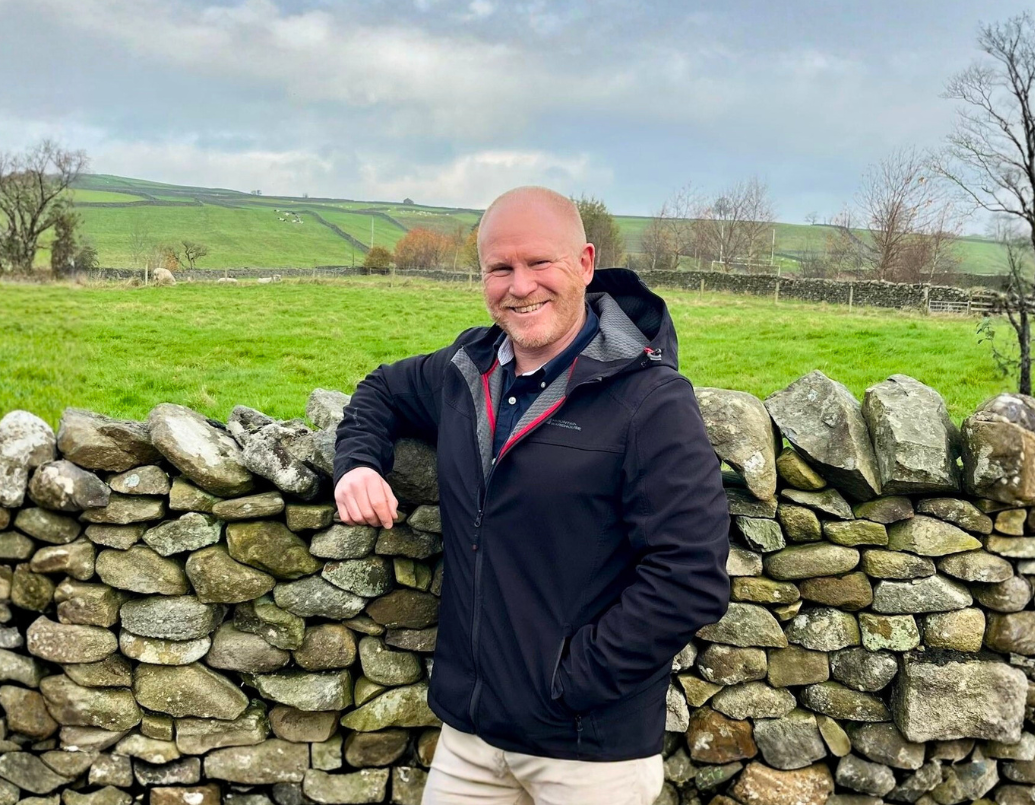
Andy

Andy’s top tip

“Stand inside the Twelve Apostles and imagine the thousands of pagan rituals that may have taken place here throughout history.”

Prehistoric Carvings and Rock Art

Ilkley Moor is famous for its cup-and-ring marks among the oldest artistic expressions in Britain. These carvings, etched into exposed gritstone, date from the Neolithic to Bronze Age periods (c. 3000–1500 BCE).

  • Cup marks: Small depressions carved into stone surfaces.
  • Ring marks: Concentric circles surrounding cup marks.
  • Grooves and lines: Linear carvings with uncertain meaning.

Interpretations range from ceremonial symbols and territorial markers to astronomical or calendrical tools. Spotting them often requires slowing down and looking carefully among moss and lichen-covered rock.

Bronze Age Monuments

Scattered across Ilkley Moor are visible remnants of Bronze Age life, offering insight into early human societies and belief systems.

  • Stone circles: Likely ceremonial gathering sites.
  • Burial cairns: Low stone mounds marking ancient graves.
  • Standing stones: Possible boundary or ritual markers.

Many monuments blend seamlessly into the landscape. Walkers should avoid climbing on stones and respect these fragile structures.

Folklore and Legends

Ilkley Moor’s archaeological importance is matched by its rich folklore, adding mystery and imagination to every walk.

  • The Cow and Calf Rocks: Linked to legends of the giant Rombald.
  • Hauntings: Stories of spirits lingering among ancient stones.
  • Gatherings: Historic meeting places for trade and rituals.

Planning Your Archaeology Walk

  • Difficulty: Moderate, with uneven ground and rocky paths.
  • Height gain: Approx. 200–300 m on popular loops.
  • OS map: Explorer OL2 – Yorkshire Dales.
  • Gear: Sturdy boots, waterproofs, water and snacks.
  • Guided walks: Offer deeper insight into archaeology.

Responsible Archaeology Hiking

  • Do not touch carvings oils cause erosion.
  • Avoid climbing on cairns or stone circles.
  • Stay on marked paths.
  • Leave no trace.
  • Photograph without moving stones or plants.

Walking Ilkley Moor is more than a hike it’s a journey through thousands of years of human history. By hiking responsibly, we help preserve these ancient stories for future generations.

👉 Join Hike Yorkshire for guided archaeology walks and outdoor learning experiences on Ilkley Moor.